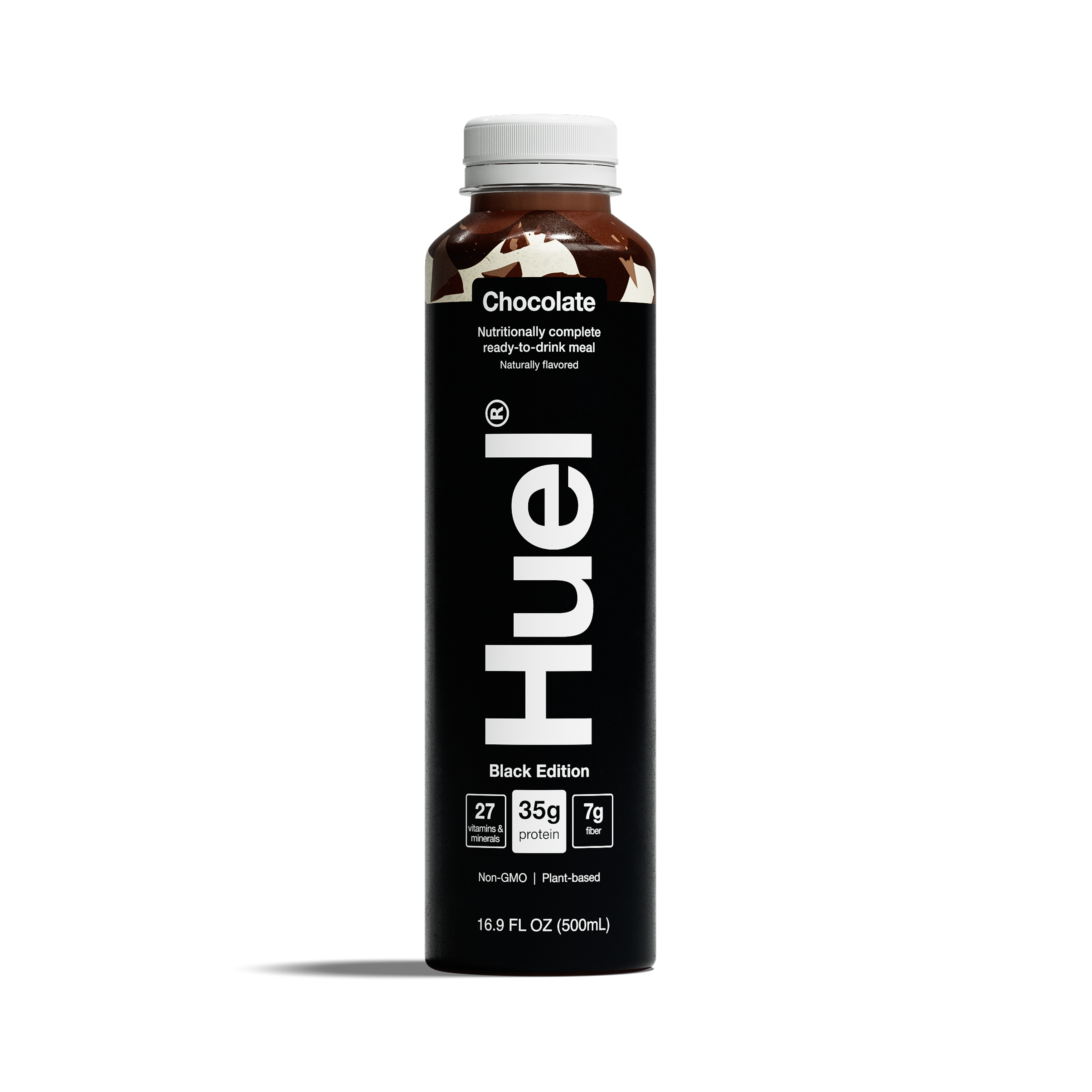

Black Edition Ready-to-drink
High-protein meal shakes
35g protein
400 cal per bottle

Not everyone intentionally sets out to “build community.” They say hello to a neighbour. They hold a door. They check in on someone who’s been quiet lately. And somehow, over time, those small moments add up to something bigger.
In a world that often feels fragmented, kindness has become quietly radical. Not the performative kind, but the everyday kind that makes people feel seen and included. The kind that turns shared spaces into places where people actually want to show up.
So how does kindness build community, really? What does science say about its impact, and how can it move from a nice idea to something tangible in daily life?
The answer lives at the intersection of research, real stories, and surprisingly practical habits.
Communities don’t thrive because everyone agrees. They thrive because people feel safe enough to belong.
Kindness plays a central role in that feeling. It lowers social defences, builds trust, and signals that care is part of the culture. When kindness is present, people are more likely to engage, collaborate, and look out for one another.
Science backs this up. Repeated acts of kindness create positive feedback loops, where generosity becomes the norm rather than the exception. Over time, those norms shape how people behave, what they expect from one another, and how connected they feel.
Kindness is contagious. Large-scale research, including meta-analyses covering tens of thousands of participants, shows that witnessing or receiving kindness increases the likelihood of acting kindly toward others.
This ripple effect does not depend on direct interaction. Stories of kindness shared through conversation, media, or social platforms can inspire similar behaviour elsewhere. The action travels, even when the people involved never meet.
A 2020 analysis published in American Psychologist found that exposure to prosocial behaviour led to higher levels of cooperation, generosity, and helping across a range of settings.
Kindness works because it reshapes what feels normal.
When people observe acts of generosity, they internalise the underlying values. Empathy increases. Social trust grows. Helping others becomes less of a risk and more of an expectation.
Rather than simple imitation, kindness rewrites internal scripts about belonging. It sends a message that care is part of the group identity. Once that happens, prosocial behaviour reinforces itself.
Communities are held together by repeated, positive interactions. Kindness strengthens those interactions and makes them stick.
Research links high levels of prosocial behaviour with:
Kindness also reduces “us versus them” thinking. When people feel acknowledged and supported, they are more willing to collaborate and less likely to retreat into isolation.
Material support gets attention, but emotional kindness often has the deeper impact.
Listening without interrupting. Checking in without fixing. Validating someone’s experience. These actions build psychological safety and signal that people matter beyond what they contribute.
Communities that make space for emotional generosity tend to feel more inclusive and resilient, especially during periods of stress or change.

Kindness is not just socially beneficial. It is good for health.
Research summarised by organisations like the NPR, Harvard Health, and the Mayo Clinic links kindness with:
When kindness becomes embedded in community life, social isolation decreases and informal support systems strengthen.
Kindness encourages people to show up.
Communities with visible prosocial behaviour tend to see higher levels of volunteering, collaboration, and shared responsibility for public spaces. People are more likely to participate when they feel welcomed and valued.
Over time, this creates a virtuous cycle. Engagement reinforces kindness, which in turn fuels further engagement.
Small, consistent gestures matter more than grand ones. Simple ways to practise kindness include:
What feels small in isolation becomes powerful through repetition.
Kindness grows faster when people gather around shared goals. Ideas that work well include:
These efforts create opportunities for contribution, regardless of resources.
Kindness spreads when it is seen and acknowledged.
Communities can reinforce prosocial behaviour by:
Visibility turns kindness into culture.
In Glasgow, a grassroots meal programme began by delivering food to isolated seniors. Over time, recipients were invited to help prepare and distribute meals themselves.
What started as assistance became shared ownership. Friendships formed. Loneliness decreased. A support system evolved into a community, built entirely on everyday kindness.
During a London tube strike, one commuter paid for a stranger’s coffee. The recipient shared the moment online. By the next day, dozens of people described repeating the gesture in their own ways.
The original act did not change the city. The ripple that followed changed how people treated one another, if only for a while.
Kindness does not always come easily. Common barriers include fear of difference, mistrust, or concern about being taken advantage of.
Addressing these requires patience and honesty. Acknowledging past harm, listening carefully, and setting clear boundaries all help create conditions where kindness feels safer to practise.
Sustaining kindness over time also takes effort. Regular check-ins, shared celebrations, feedback, and rotating leadership help prevent burnout and keep momentum alive.
Kindness rarely announces itself. It shows up quietly, in moments that feel ordinary until you notice how much they matter.
Science confirms what experience already suggests. Kindness builds trust. It strengthens connection. It creates communities where people feel they belong.
You do not need to start big. A greeting, a gesture, a moment of attention is enough to begin. The ripple effect does the rest.