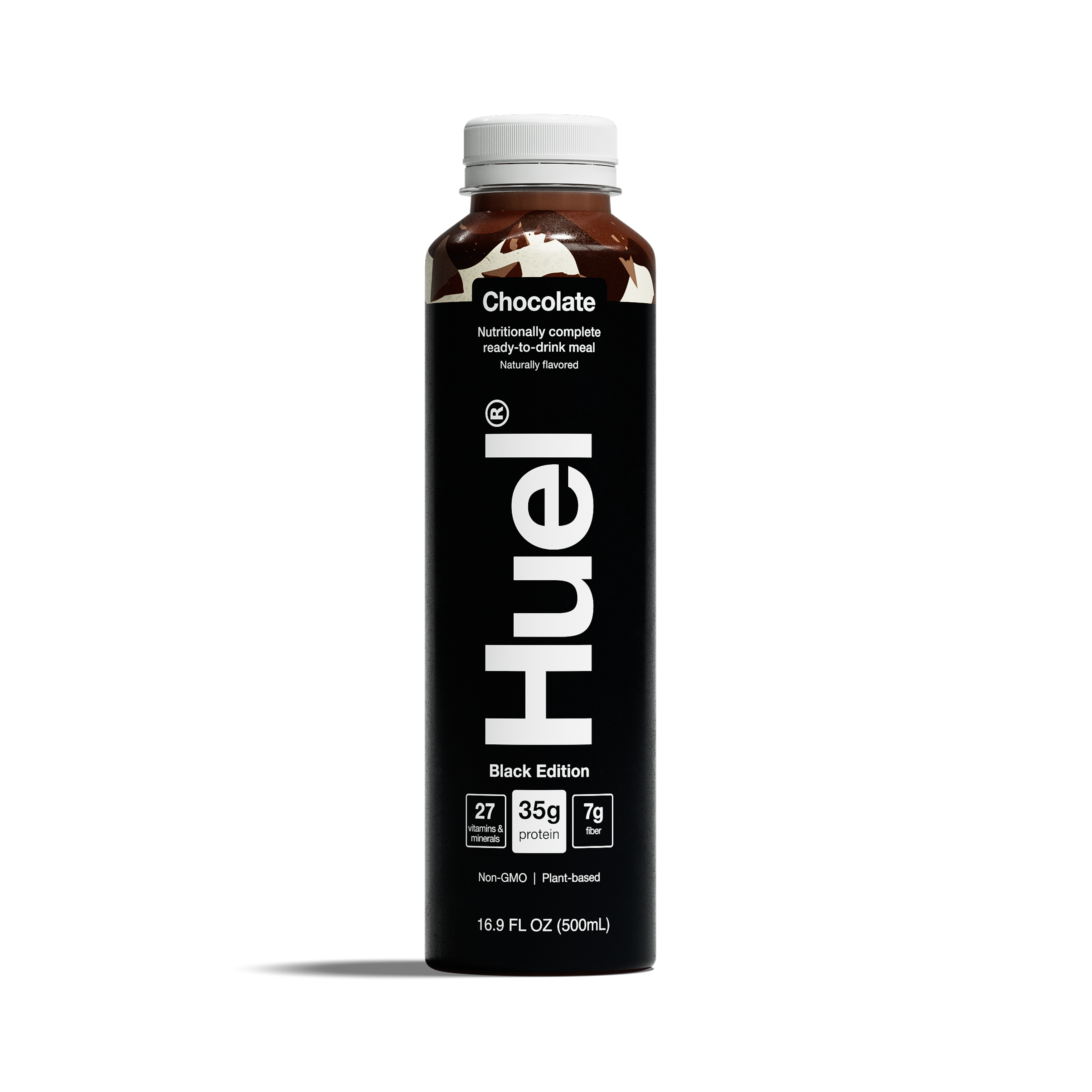

Black Edition Ready-to-drink
High-protein meal shakes
35g protein
400 cal per bottle

Vitamin D is one of those nutrients that does far more behind the scenes than most of us realize. It keeps bones strong, prevents muscle weakness, supports the immune system, and may even help regulate mood. Yet around 37% of adults worldwide still fall short of recommended levels.
There are several reasons vitamin D deficiency is so common. Some groups naturally produce less vitamin D from sunlight — including older adults and people with darker skin. Breastmilk doesn’t supply enough vitamin D for infants, and anyone with conditions that affect nutrient absorption (such as ulcerative colitis) is also at greater risk. To maintain healthy levels, adults are advised to get 15 mcg of vitamin D per day, rising to 20 mcg for those aged 70 and over.
Winter makes this even trickier. With fewer daylight hours and weak UV rays, our skin simply can’t synthesise enough vitamin D. But the good news? There are plenty of practical ways to support your intake until sunnier days return.

Very few foods naturally contain vitamin D, and most of those are animal-based. Fatty fish such as salmon, trout, tuna, and mackerel are the richest sources, along with fish liver oils. In fact, a single 3.5-ounce (100g) serving of salmon can deliver 12–25 mcg of vitamin D.
Other natural sources include egg yolks and cheese. For plant-based eaters, only mushrooms offer a small amount of naturally occurring vitamin D, which is why incorporating fortified foods becomes especially important.
Because natural sources are limited, many everyday foods are fortified with vitamin D. Plant-based milks, orange juice, dairy products like milk and yoghurt, and certain cereals often contain added vitamin D to help fill the gap.
At Huel, all our products are fortified using vegan sources of vitamin D, making it easier to support your intake throughout winter.
Supplements can be an efficient and reliable way to meet your vitamin D needs — especially for anyone diagnosed with a deficiency or managing a health condition that affects absorption.
People with a deficiency are often prescribed 5,000–10,000 IU per day until their levels return to normal. If you’re supplementing without a diagnosed deficiency, avoid exceeding 100 mcg (4,000 IU) per day unless advised by a healthcare professional.
There’s no universal recommendation for how much sun exposure you need to maintain healthy vitamin D levels, but some researchers suggest 5 to 30 minutes of sunlight between 10 a.m. and 4 p.m. may help support synthesis.
Just be sure to skip UV tanning beds, and keep wearing sunscreen to protect your skin. A quick lunchtime walk is an easy way to catch a few rays — and it doubles as a mood boost and a bit of movement in your day.
Vitamin D deficiency is common — especially in winter, when sun exposure drops. But with a combination of vitamin D-rich foods, fortified products, smart supplementation, and a little safe sunlight, you can keep your levels steady until brighter days arrive.
Words by Madeline Peck RDN, CDN, Huel nutrition team