Winter Health and Nutrition: Essential Tips for Immune and Mood Support

man and woman stood looking over a lake with their back to the camera and a Huel Lite Ready-to-drink in the pocket of the mans backpack

As winter settles in — with shorter days, colder nights, and more time spent indoors — many of us notice subtle shifts in energy, mood, and even motivation to eat well.

But winter doesn’t have to mean sluggishness or sniffles. With thoughtful nutrition and a few well-timed habits, you can strengthen your immune system, support your mood, and maintain consistent energy right through to spring.

Winter Health and Nutrition at a Glance

  • Lower sunlight reduces vitamin D: 30–40% of UK adults are deficient in winter.
  • Comfort food cravings are real: seasonal changes influence mood, appetite, and immunity.
  • Key nutrients: vitamin D, vitamin C, zinc, omega-3s, and fibre-rich root vegetables.
  • Hydration still matters: you can lose up to 2 litres per day even in cold weather.
  • Healthy routines — like meal planning, conscious eating, and nutrient diversity — make winter wellbeing far more achievable.

Why Winter Changes Your Health and Nutrition Needs

Winter brings more than icy pavements and darker mornings; it influences how our bodies function, from immune defences to sleep cycles.

Seasonal changes in the body

  • Immune shifts
    Cold weather and time indoors make it easier for viruses to circulate, while our immune responses can slow down.
  • Lower vitamin D
    With minimal winter sunlight, our bodies struggle to produce vitamin D — a nutrient crucial for immunity, bone health, and mood regulation.
  • Mood and energy dips
    Shorter days reduce serotonin, the “feel-good” hormone. Many people experience tiredness, low mood, and in some cases Seasonal Affective Disorder (SAD), which affects about 2% of UK adults, with milder symptoms in up to 10%.
  • Comfort food cravings
    Reduced daylight can trigger cravings for high-carb or high-fat foods as the body seeks quick energy or emotional comfort.

Understanding these seasonal changes is the first step in supporting winter health and nutrition — and building habits that genuinely make the colder months easier.

Key Nutrients for Winter Health and Nutrition

Certain nutrients become especially important for immunity, mood, and steady winter energy.

Vitamin D and sunlight in winter

Why it’s crucial

In the UK, you can’t synthesise enough vitamin D from sunlight between October and March. It supports immunity, bone strength, and can help protect against low mood and fatigue.

Best food sources

Oily fish (salmon, mackerel, sardines), egg yolks, and some mushrooms (wild or UV-exposed).

Supplement advice

The NHS advises adults to take 10 micrograms (400 IU) daily from October to March.

Quick tip

Fortified cereals and plant milks are excellent winter stand-ins.

Vitamin C for immune defence

Top sources

Oranges, clementines, kiwis, berries, peppers, and dark leafy greens.

Why it matters

Vitamin C supports normal immune function and helps the body absorb iron from plant foods.

How much?

The UK adult RNI is 40 mg per day, easily met by one orange or half a red pepper.

Zinc, magnesium, and selenium

Why they matter

  • Zinc: Supports immune cell function and repair.
  • Magnesium: Helps with muscle function, nerve health, energy production, and sleep.
  • Selenium: An antioxidant that supports immune defence and thyroid health.

Food sources

Nuts (Brazil nuts for selenium), seeds, whole grains, seafood, lentils, and legumes.

Omega-3 fats for mental wellbeing

Role in mood resilience

Omega-3s are linked to better brain health and reduced winter low mood.

Top sources

Oily fish, chia seeds, flaxseeds, walnuts.

Plant-based?

Algal oil supplements provide EPA/DHA — the same omega-3s found in fish.

Root vegetables and seasonal produce

Varieties

Sweet potatoes, carrots, beetroot, parsnips, swedes, turnips.

Benefits

Packed with complex carbohydrates for steady energy, fibre for gut and immune health, and vitamin A (carotenoids).

Tip

Buying local roots and squashes helps maximise freshness and reduce food miles. Roast, mash, or add to stews for warmth and nourishment.

Daily Greens - Shop Huel - CTA - Lifestyle

Leafy greens, cruciferous veg, and citrus fruits

Greens to include

Kale, spinach, cabbage, broccoli, Brussels sprouts — all winter champions.

Why they matter

These veg deliver vitamins C, K, and folate, plus essential minerals. They thrive in winter and work well in soups, sautés, and salads.

Citrus

A bright source of vitamin C when other fruits are less abundant.

Whole grains and legumes

Options

Oats, barley, quinoa, brown rice, lentils, chickpeas, beans.

Health boosts

  • Provide slow-release energy for winter workouts.
  • Rich in fibre for digestive and immune support.
  • Help balance blood sugar and support satiety.

Fermented and probiotic foods

What to try

Live yoghurt, kefir, sauerkraut, kimchi, miso.

Why they matter

Gut health plays a key role in immune function. Fermented foods support a diverse microbiome.

Evidence note

Research suggests probiotics may reduce the duration and severity of upper respiratory infections.

Hydration in Winter: Why Fluids Matter Even When It’s Cold

It’s easy to forget about hydration when it’s chilly, but indoor heating and heavier clothing increase fluid loss.

Winter dehydration risks

Lower thirst cues

Cold temperatures can blunt your sense of thirst, meaning you may drink less.

Invisible fluid loss

Even without noticeable perspiration, indoor heating and normal breathing can lead to losing up to 2 litres of water per day.

Why it matters

Even mild dehydration affects mood, focus, and immune responses.

How to stay hydrated

  • Sip warm drinks like herbal teas or low-salt broths.
  • Choose fluid-rich foods such as soups, stews, citrus fruits, and pears.
  • Track intake by refilling a water bottle two or three times a day.

Nutrition for Winter Energy and Exercise

Staying active in winter is tough — but the right nutrition helps you push through.

Carbohydrates for energy

Best sources

Whole grains, root vegetables, lentils, beans, fruit.

Simple vs complex

Simple carbs give quick energy but often lead to crashes. Complex carbohydrates provide slow, steady release — ideal for winter workouts.

Protein and recovery foods

Why protein matters

Protein supports muscle repair and immune function — both more important when seasonal illnesses are circulating.

Ideas for meals and snacks

  • Lentil or bean stews
  • Grilled fish or chicken with roasted veg
  • Greek yoghurt with berries and seeds
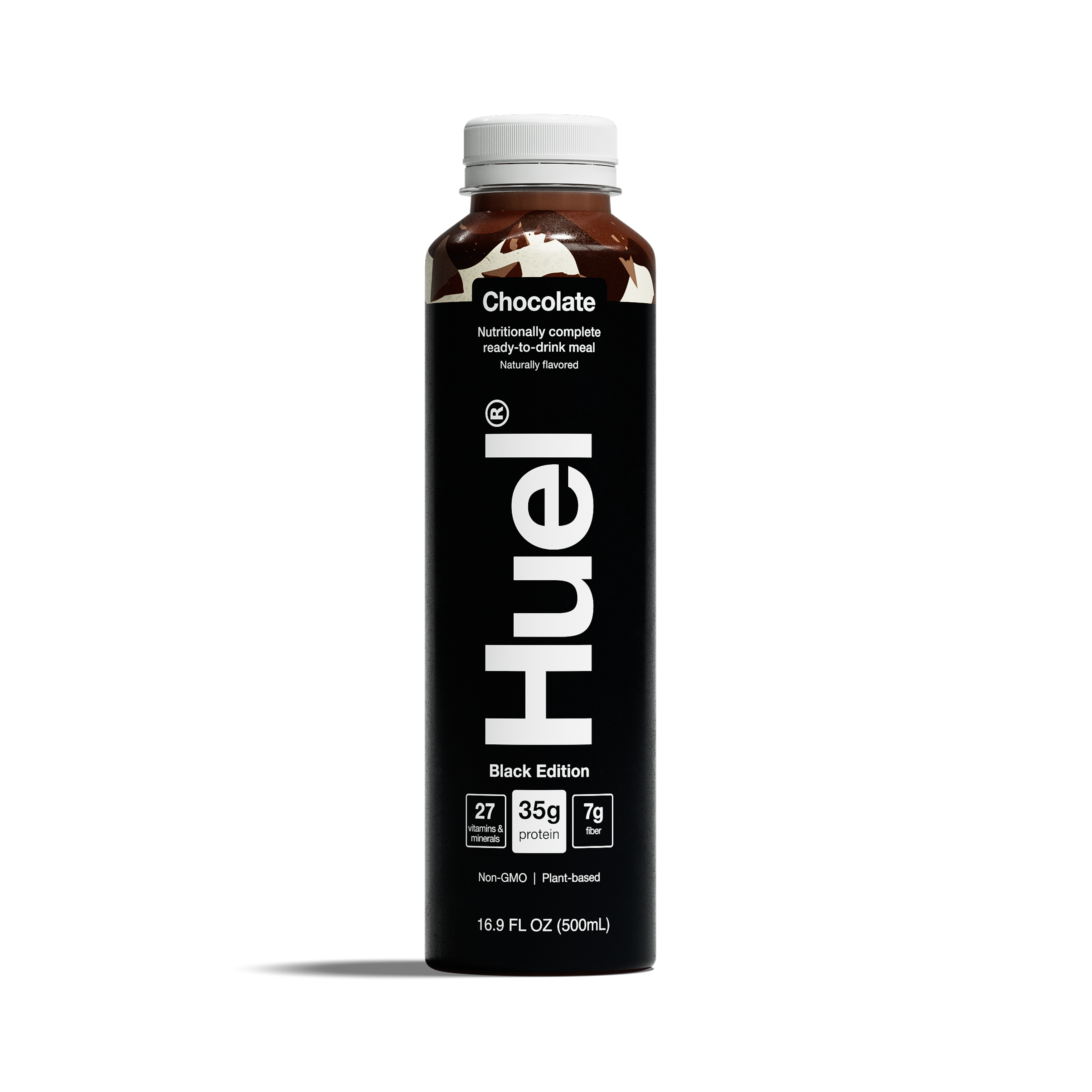
  • Huel shakes or bars for quick post-exercise fuel
H&S Pots - Shop Huel - CTA - Studio

Supporting Mental Health Through Winter Nutrition

Your food choices can influence how you feel, sleep, and cope with winter stress.

Linking food to mood

Serotonin support

A balanced winter diet aids serotonin production and supports restful sleep.

Key nutrients

Omega-3s, B-vitamins (whole grains, eggs), magnesium (nuts, seeds), and tryptophan (turkey, dairy, oats).

Routine helps

Regular meal times support circadian rhythm and stable energy.

Healthy comfort foods

Easy winter upgrades

  • Swap classic mash for sweet potato mash with cinnamon.
  • Go for hearty bean-and-veg soups instead of creamy chowders.
  • Bake fruit crumbles with oats and nuts over added sugar.
  • Try hot porridge with berries, seeds, and a little honey.

These swaps keep winter comfort food warming, nourishing, and blood-sugar friendly.

Practical Tips for Healthy Winter Habits

A few strategic habits can make winter wellbeing far easier.

Meal planning and batch cooking

  • Prepare soups, stews, and casseroles ahead of time.
  • Keep chopped veg, cooked grains, and proteins ready for fast meals.
  • Freeze leftovers in portions — good for up to three months.

Mindful eating in winter

Handle cravings

Pause before snacking: try a hot drink or a short walk first.

Balance festive eating

Bring a nutritious salad or veg dish to gatherings.

The three-colour rule

Aim for at least three different produce colours per meal.

Summary: Taking Charge of Your Winter Health and Nutrition

Winter brings unique challenges, but the right mix of nutrients, hydration habits, and consistent routines can help you stay energised and resilient.

Focus on seasonal produce, vitamin D and C, whole grains, healthy fats, and practical meal planning.

Small, sustainable changes pay off — supporting immunity, mood, and energy, even on the darkest days.
Key Takeaways for Winter Nutrition:

  • Prioritise vitamin D: Supplement daily from October to March.
  • Eat the rainbow: Mix root vegetables, greens, grains, and fruits.
  • Stay hydrated: Use warm drinks and soups to meet fluid needs.
  • Plan ahead: Batch cook to support healthy winter habits.
  • Support mood: Omega-3s, protein, and balanced carbs help keep energy steady.

Discover Huel products

Find your favorite Huel products

Related articles