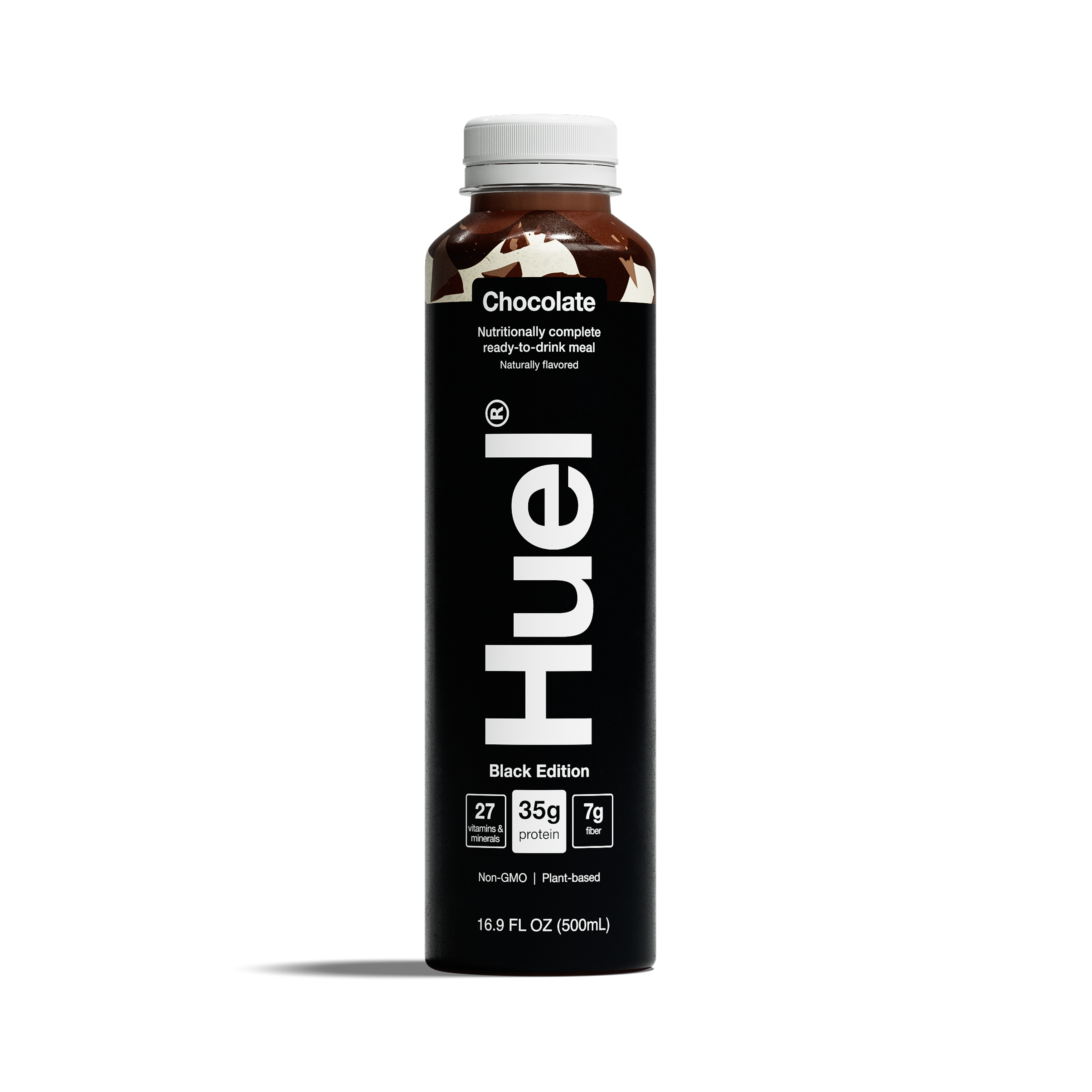

Black Edition Ready-to-drink
High-protein meal shakes
35g protein
400 cal per bottle

When I first thought about eating more organic food, I pictured a complete lifestyle makeover. In my mind, eating organic meant emptying my pantry, doubling my grocery budget, and shopping at boutique markets I didn’t have time to reach. The truth turned out to be very different. Shifting toward organic eating has been far simpler, less intimidating, and much more sustainable than I imagined.
For me, the appeal of organic eating wasn’t about chasing perfection. It was about making small, thoughtful swaps that fit into my life. I started with the fruits I eat daily, like apples and berries. Since I often eat them with the skin on, it felt like a natural place to start.
Choosing organic here gave me a sense of peace of mind. I knew I was lowering my pesticide exposure where it mattered most to me, without overhauling my entire grocery list. And because I was already buying those foods weekly, the change felt easy and sustainable.
Once I got comfortable, I expanded into other categories. Pantry staples like oats and rice, or vegetables like spinach and carrots, became my next organic choices. The price difference wasn’t huge, but the switch made me feel like I was supporting farming practices that aligned with my values.
What helped most was not thinking of it as a sacrifice. I wasn’t giving up foods I loved. I was simply swapping for versions that gave me a little more confidence in how they were grown.
Is eating organic healthier across the board? Not necessarily. The science shows that nutrient content in organic and non-organic foods is essentially the same. But for me, being strategic about where I went organic made the journey feel worthwhile.
I still buy plenty of conventional produce, especially foods like avocados and citrus, where the protective peel already minimizes pesticide contact. For thin-skinned produce like spinach or strawberries, choosing organic felt like a higher-impact decision.
This mix-and-match approach keeps me balanced. I know I’m getting the eating organic benefits I care about without blowing my budget or stressing about every choice.

The biggest change has been in my mindset. Instead of labeling foods as “good” or “bad,” I started to see eating organic as one way to build a more intentional relationship with food. Those small shifts encouraged me to eat more fruits and vegetables overall, which is the real win.
Over time, the swaps added up. My grocery cart looks different now than it did a year ago, but the transition never felt overwhelming. I just kept layering new habits on top of the old ones.
At its core, organic eating is about making thoughtful choices that support both your health and the environment. It doesn’t require a dramatic lifestyle change. Sometimes it’s as simple as picking up organic greens for your salad or trying organic milk instead of your usual brand. Every small step counts.
The advantages of eating organic aren’t about nutrient content alone. For many people, it’s about peace of mind, sustainability, or simply feeling better about the choices they make. What’s most important is eating a wide variety of fruits and vegetables, organic or not.
My journey taught me that organic eating doesn’t have to mean changing everything. It can mean starting with one swap, then another, until the habit feels second nature.
Words by Rachel Arden