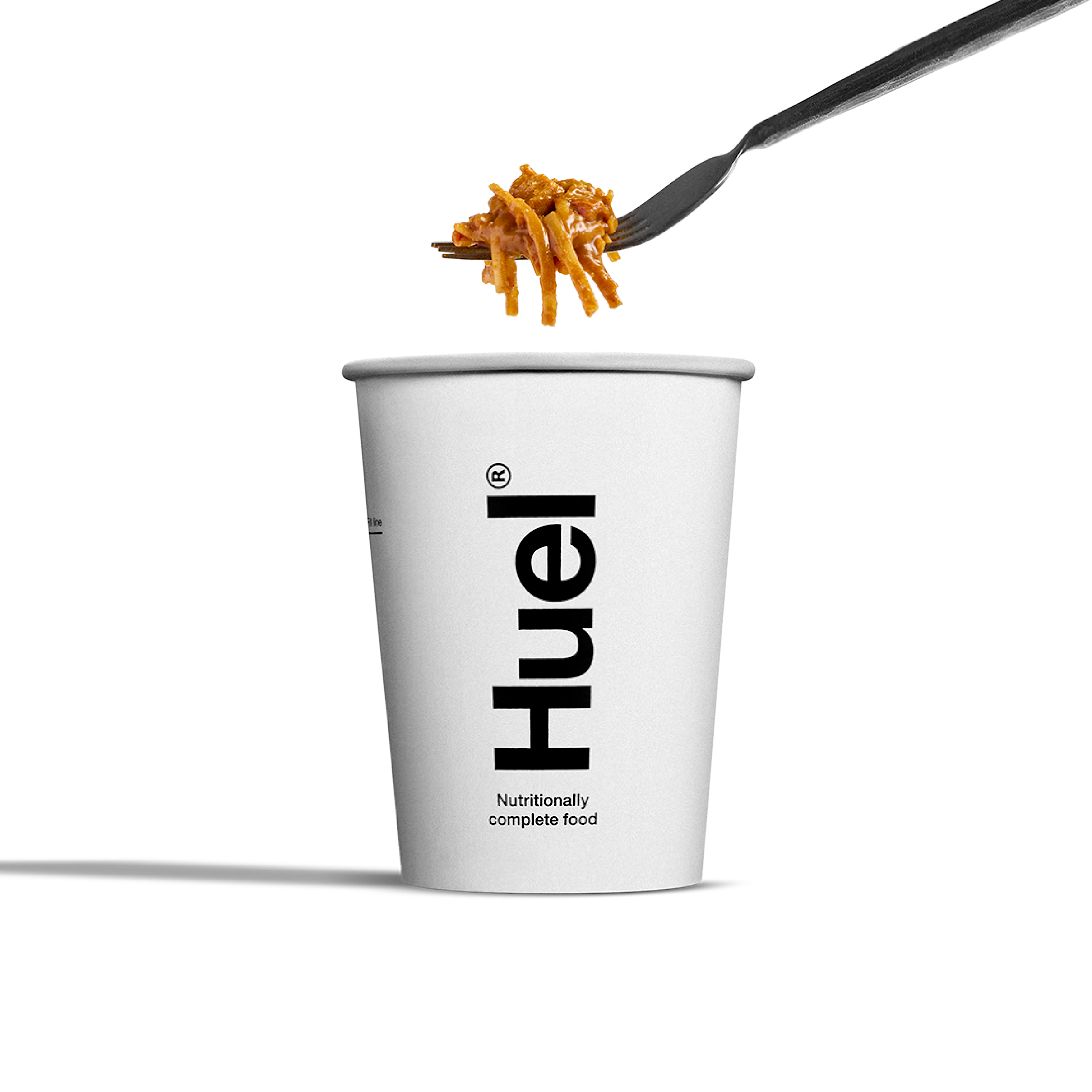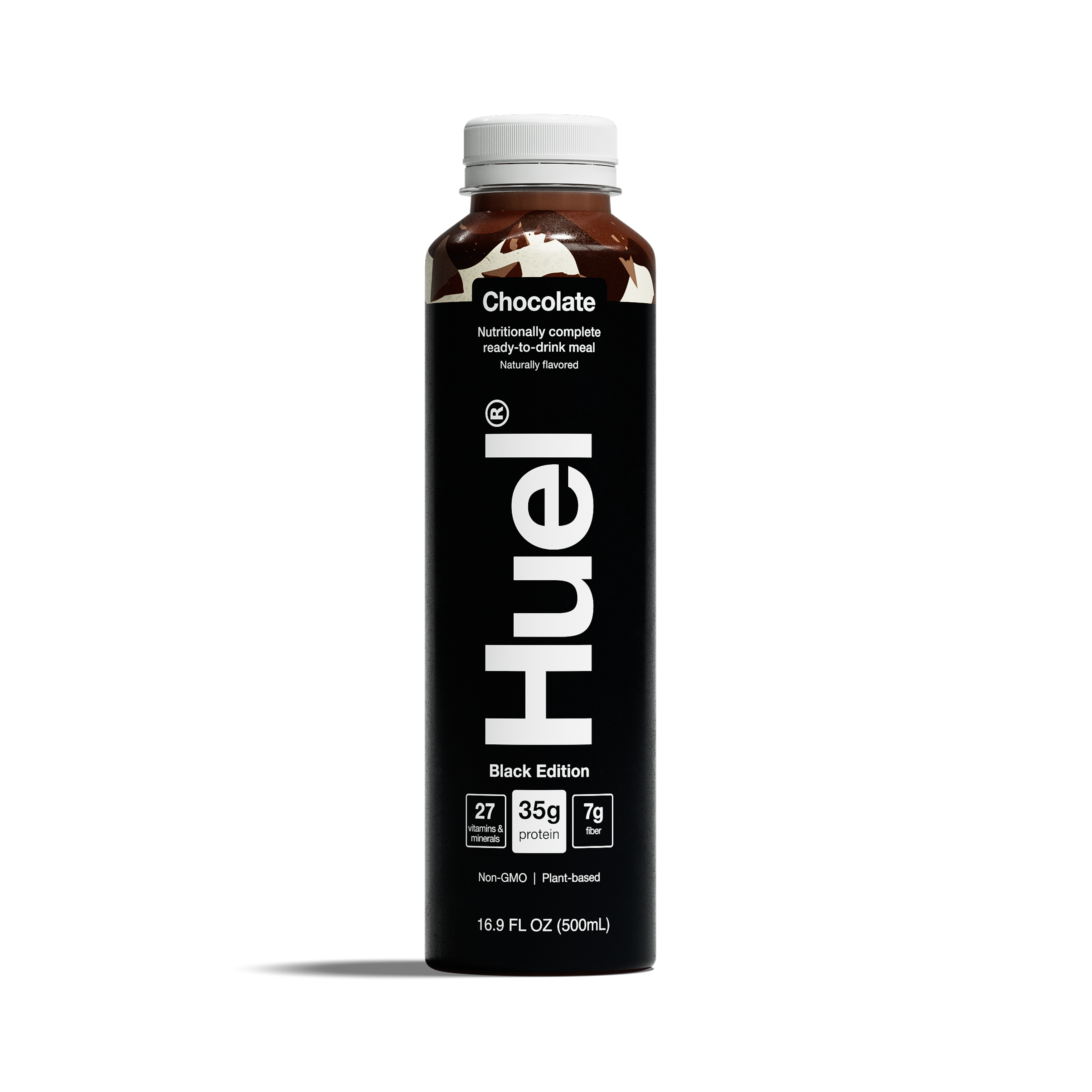

Black Edition Ready-to-drink
High-protein meal shakes
35g protein
400 cal per bottle

Eating better doesn't have to mean starting from scratch. Most people's diets are already closer to good than they think — they just have a handful of habitual choices that quietly undermine everything else. The most effective upgrades aren't dramatic overhauls; they're small, specific substitutions that compound over time. These five swaps are easy to make at any supermarket, require no extra cooking skill, and make a genuine nutritional difference.
TL;DR: Swapping white bread for wholegrain, sugary breakfast cereals for oats, flavoured yoghurts for plain, refined snacks for nuts and seeds, and sugary drinks for water or unsweetened alternatives are five of the highest-impact dietary changes most UK adults can make. None require special ingredients, significant extra cost, or a complete rethink of how you eat.
Wholesale dietary changes are hard to sustain. They require simultaneous adjustments to shopping habits, cooking routines, taste preferences, and meal planning — and when one element slips, the whole effort tends to unravel.
Targeted swaps work differently. They slot into existing habits rather than replacing them, which means far less friction and a much higher likelihood of sticking. Over weeks and months, the cumulative effect of a few consistent substitutions rivals the impact of more ambitious dietary interventions — without the cognitive load of maintaining them.
White bread is made from refined flour, which has been stripped of the bran and germ that contain most of the grain's fibre, vitamins, and minerals. What remains digests quickly, causing a faster rise in blood sugar followed by a more rapid drop — which contributes to energy dips and returning hunger sooner than you'd like.
Wholegrain bread retains the full grain structure. It delivers significantly more fibre, which supports digestive health, helps maintain steady blood sugar levels, and contributes to lasting fullness. It also provides meaningful amounts of B vitamins, magnesium, and iron that white bread largely lacks.
The NHS recommends basing meals on higher-fibre wholegrain carbohydrates, and research published in the British Medical Journal links higher wholegrain intake to a reduced risk of heart disease, type 2 diabetes, and certain cancers. The flavour takes a little getting used to if you've eaten white bread for years, but most people adjust within a week or two.
What to look for: The ingredient list should list a wholegrain flour — wholewheat, wholemeal, or whole rye — as the first ingredient. "Multigrain" and "brown bread" are not the same thing and don't carry the same nutritional benefits.
Many breakfast cereals marketed as healthy — including granolas, bran flakes, and "honey" varieties — contain surprisingly high amounts of added sugar. Some popular options contain more sugar per serving than a biscuit. Starting the day with a high-sugar meal sets up a blood sugar spike and crash cycle that can drive cravings and low energy well before lunchtime.
Porridge oats are one of the most nutritionally complete breakfast options available. They're high in beta-glucan, a soluble fibre with strong evidence for lowering LDL cholesterol and supporting cardiovascular health. They digest slowly, provide sustained energy, and keep hunger at bay significantly longer than refined cereals. They're also among the cheapest items in any supermarket.
Research from the American Journal of Clinical Nutrition and replicated in European studies consistently links regular oat consumption to improved cholesterol levels and better blood sugar regulation. The NHS specifically highlights oats as a heart-healthy breakfast choice.
What to look for: Plain rolled oats or jumbo oats with no added ingredients. Instant oat sachets often contain added sugar and salt — check the label.
Flavoured and fruit yoghurts are widely perceived as a healthy choice, and in some respects they are — yoghurt is a good source of protein, calcium, and gut-supporting live cultures. The problem is added sugar. A standard fruit yoghurt pot can contain four to six teaspoons of sugar, bringing it nutritionally closer to a dessert than a health food.
Plain yoghurt — whether standard or Greek-style — delivers all of the same protein and calcium without the sugar load. Greek yoghurt in particular is notably high in protein, which supports satiety and muscle maintenance. The live cultures present in most plain yoghurts also contribute to gut microbiome diversity, which is linked to digestive health and immune function.
Adding your own fruit — fresh, frozen, or a small amount of unsweetened compote — gives you the flavour without the sugar hit, and lets you control the sweetness to your own preference.
What to look for: Plain or natural yoghurt with live cultures. Full-fat versions are more satiating and not nutritionally inferior to low-fat options, which sometimes compensate for removed fat with added sugar or thickeners.

Crisps, crackers, cereal bars, and rice cakes are the default snack choice for many people trying to eat reasonably well. Most are highly processed, low in protein and fibre, and engineered to be easy to eat in large quantities without feeling full. Even options marketed as "light" or "low calorie" tend to offer little in the way of genuine nutritional value.
A small handful of unsalted nuts or mixed seeds provides a meaningfully different nutritional profile. Nuts and seeds are good sources of healthy unsaturated fats, plant-based protein, fibre, and micronutrients including vitamin E, magnesium, and zinc. They're dense in calories relative to volume, which means a small amount is genuinely satisfying rather than something you eat absentmindedly.
The British Journal of Nutrition and several large-scale European studies have linked regular nut consumption to reduced cardiovascular risk and better weight management outcomes, despite their caloric density. The key is portion awareness — a small handful, not a bagful.
What to look for: Unsalted, unflavoured nuts and seeds. Dry-roasted or salted varieties are fine occasionally, but the plain versions are nutritionally superior and easier to eat in appropriate amounts.
Sugary drinks are one of the most nutritionally costly habits in the average UK diet. Regular consumption of fizzy drinks, fruit juices, cordials, and energy drinks is strongly associated with weight gain, tooth decay, and an elevated risk of type 2 diabetes. Liquid calories don't trigger the same satiety signals as food, which means they add to overall intake without making you feel fuller.
The swap here doesn't have to be plain water if that feels like a stretch. Sparkling water, plain herbal teas, and diluted no-added-sugar squash are all considerably better than their sugary equivalents. Cold water with a squeeze of lemon or a slice of cucumber is a more appealing option than it might sound.
NHS guidance advises limiting free sugars to no more than 30g per day for adults — a single 330ml can of a standard fizzy drink can account for most of that allowance in one go. Removing or significantly reducing sugary drinks is one of the fastest ways to reduce daily sugar intake without changing anything else about your diet.
What to look for: Water is the default. If you want flavour, look for drinks with no added sugar and check that fruit juices are labelled as unsweetened — even 100% fruit juice is high in natural sugars and is best consumed in small amounts.
The most reliable way to sustain any dietary change is to make the better option the path of least resistance. That means buying the wholegrain loaf rather than keeping both in the house, having plain yoghurt in the fridge rather than flavoured pots, and keeping a bag of mixed nuts somewhere visible rather than in a cupboard behind the biscuits.
None of these swaps requires cooking differently, spending significantly more, or overhauling your weekly shop. Most are available in every major UK supermarket at comparable price points to what they're replacing. The cumulative effect over weeks and months — on energy, digestive health, blood sugar regulation, and long-term disease risk — is considerably greater than any single swap might suggest.
Do these swaps really make a significant difference? Yes, particularly over time. Each individual swap is modest, but together they reduce added sugar intake, increase fibre, improve the quality of fats in your diet, and provide more sustained energy across the day. Research consistently shows that small, consistent dietary improvements have a meaningful impact on long-term health outcomes.
Are wholegrain products more expensive than white? Not always. Most major UK supermarkets stock own-brand wholegrain bread, pasta, and rice at prices comparable to their white equivalents. Oats are among the most affordable foods in any supermarket. The snack swap — from processed crisps and bars to nuts — may cost slightly more upfront, but nuts are more filling per portion, so you tend to eat less.
I don't like the taste of wholegrain bread. What can I do? Taste preferences for bread tend to shift within a few weeks of switching. If the transition feels abrupt, starting with a seeded wholegrain loaf — which has a slightly milder flavour than dense wholemeal — can make it easier. Toasting wholegrain bread also mellows the flavour considerably.
Is plain yoghurt suitable for people who are lactose intolerant? Many people with lactose intolerance tolerate yoghurt better than other dairy products, because the live bacterial cultures break down a portion of the lactose during fermentation. Greek yoghurt tends to be lower in lactose than standard yoghurt. Lactose-free plain yoghurts are also widely available in UK supermarkets, and unsweetened coconut or soy yoghurts are reasonable dairy-free alternatives.
Are all nuts equally good as a snack swap? Most unsalted nuts are nutritionally strong choices, though they vary in their specific nutrient profiles. Walnuts are particularly high in omega-3 fatty acids; almonds are notably high in vitamin E and calcium; Brazil nuts are one of the richest dietary sources of selenium. Eating a variety is a simple way to cover a broad nutritional base. Seeds — pumpkin, sunflower, flaxseed — are equally worth including and often cheaper.
What's the best swap to start with? Whichever one requires the least effort for you personally. Habit change is most durable when it starts with the lowest friction option. For most people, swapping sugary drinks for water or swapping breakfast cereal for oats tends to be the easiest entry point — both are straightforward substitutions that don't require adjusting how you cook or what else you eat alongside them.
Edited by The Digest team